Industrial and Warehouse Loans
Industrial and Warehouse Loans in Tampa, Florida
Bring the building specifications, lease obligations and use history into the financing review for industrial and warehouse assets.
Financing review for industrial or warehouse property
Industrial and warehouse financing requires a clear understanding of how the building functions. A Tampa facility may serve storage, distribution, assembly or another permitted operation, and each use brings different building and environmental questions. Commercial Real Estate Loans Florida helps owners prepare a financing discussion around those details rather than rely only on total square footage or proximity to an interstate.
A tenant’s ability to use the space can depend on loading configuration, truck courts, clear height, power, sprinklers and access restrictions. Document the actual specifications and any tenant-owned improvements. If a building was designed for a particular operation, explain how readily it could serve another user. A large facility does not necessarily have the same leasing flexibility as a smaller but more adaptable warehouse.
Tampa’s port, airport and interstate connections provide regional context for industrial properties, but access must be evaluated at the parcel level. A route that appears close on a map may still involve truck restrictions or difficult circulation. Verify the permitted use and relevant infrastructure with qualified professionals. Lenders need a realistic operating and replacement-tenant case, not a promise that logistics activity alone makes every asset financeable.
Industrial facts that support a credible request
The lease should show who is responsible for roofs, structural systems, equipment and environmental obligations. A tenant may maintain the interior while the owner retains significant replacement costs. If the property is owner-occupied, the lender may also evaluate the operating company’s financial performance and its capacity to support debt. Industrial use history deserves attention early in the transaction. Prior manufacturing, fuel storage or other activities can raise environmental questions even when current operations appear straightforward. Coordinate environmental diligence, building inspections and financing deadlines so an unexpected finding can be evaluated before the transaction becomes difficult to unwind.
Loading and circulation
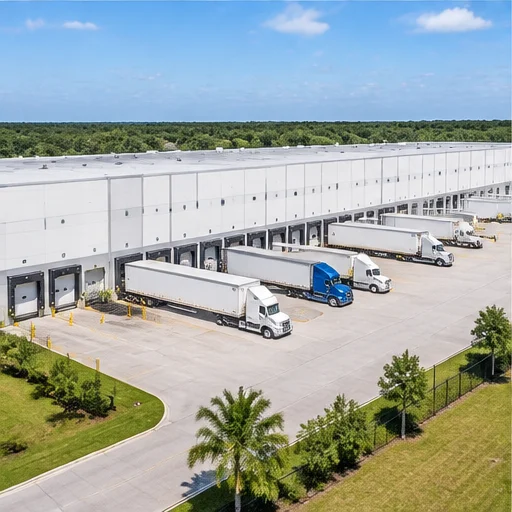
Document dock positions, grade-level doors, truck-court layout and access arrangements. Confirm that shared driveways or easements support the intended operation. A future occupant may need a different circulation pattern from the existing tenant. Include known limitations so the lender can evaluate the practical utility of the asset rather than infer suitability from exterior photographs.
Power, height and building systems
Provide available specifications for electrical service, clear height, fire protection and relevant structural systems. Do not confuse a tenant’s installed equipment with permanent building capability. Specialized operations may require professional confirmation of capacity. Capital work needed to meet a proposed user’s requirements should be separately budgeted and disclosed during financing review.
Environmental and historical use
Describe current operations and known former uses, including storage of materials or fueling activities. A Phase I environmental assessment may be required, and additional review can follow if concerns arise. Avoid assuming that a warehouse used only for storage today has no historical exposure. The findings can affect timing, conditions and the willingness of a lender to proceed.
Tenant durability and owner occupancy
A single occupant can account for the entire rent stream. Review lease duration, payment performance and any guaranty. If your own business uses the building, be prepared to provide business information as requested. Compare the financing maturity with the tenant’s contractual term and identify the capital needed if the property must be released to another user.
From property summary to a documented decision
- 1
Define the objective and timing
Describe the industrial or warehouse property, its address and current ownership. State whether the request concerns an acquisition, a refinance or business occupancy. Include the expected closing date or existing maturity and disclose known material issues. An accurate initial summary helps identify the next appropriate questions without presenting a brief inquiry as a final underwriting package.
- 2
Reconcile the operating evidence
Assemble industrial specifications, lease documents and use-history records. Explain discrepancies, one-time items and projected changes. Provide sponsor information when requested through an agreed secure delivery method. The goal is to support the financing assumptions with records that can be reviewed, rather than leave critical facts dependent on verbal assurances or a seller’s optimistic presentation.
- 3
Compare conditions and complete diligence
Review available proposals for the industrial or warehouse property against the requested proceeds, required cash, maturity, recourse and exit provisions. Coordinate lender-required reports and independent professional review. New findings may change the original request, so keep the operating plan and transaction timeline current as outstanding conditions are resolved.
- 4
Confirm the closing obligations
Distinguish an initial indication from final written approval. Review the closing statement, reserve requirements and ongoing reporting responsibilities with the appropriate professionals. Confirm how any existing debt is repaid and which conditions remain before funding. After closing, maintain the records and monitoring needed to satisfy the actual loan agreement.
Support for your commercial financing review
A focused property discussion
We frame the initial conversation around the industrial or warehouse property and the evidence needed to understand its operations. That keeps asset-specific issues visible instead of forcing the request into a generic financing summary.
A broader term comparison
Proceeds matter, but so do guarantees, restricted reserves and the ability to exit the loan. We encourage a comparison that reflects the owner’s objectives and the property’s upcoming obligations.
Clear next requests
A lender can need more information as review progresses. Identifying the purpose of each request helps owners prepare accurate records while keeping confidential material out of the initial public inquiry.
Frequently Asked Questions
Does proximity to the interstate establish loan eligibility?
No. Highway access is one consideration among many, and the actual truck route and parcel configuration still matter. Income, value, physical suitability, environmental diligence and borrower qualifications all affect the lender’s review. Describe the access accurately without treating it as a substitute for the rest of the file.
Can an owner-operated warehouse be reviewed?
An owner-occupied building can be considered for an appropriate financing discussion, but the lender may assess the operating business as well as the real estate. Explain the company’s use, any related-party lease and the repayment sources. Required documents and available structures depend on the specific lender and transaction.
Helpful Resources
Discuss your commercial property financing
Tell us about the industrial or warehouse property, its occupancy and your financing objective. Share a short summary first; we can then discuss which records and next steps are appropriate.