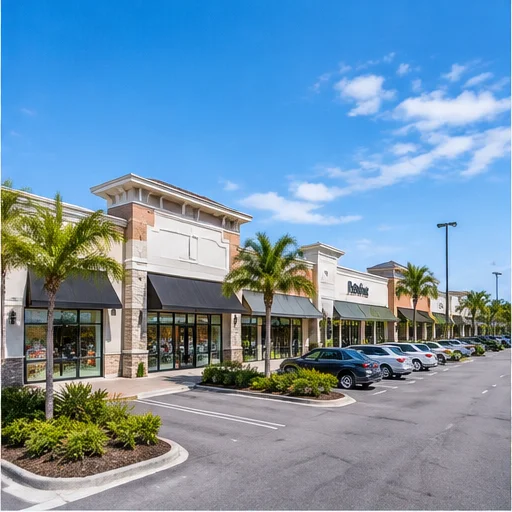
Retail Property Loans
Retail Property Loans in Tampa, Florida
Evaluate storefront leases, tenant concentration, access and expense reimbursements before choosing financing for a shopping center or retail building.
Financing review for retail property
Retail property financing depends on the businesses occupying the space and the contracts governing their payments. A Tampa shopping plaza may appear busy while still carrying lease provisions that affect future income. Commercial Real Estate Loans Florida helps owners begin with the rent roll, executed leases and operating statements rather than rely only on storefront activity or a broker’s advertised capitalization assumptions.
The size of each tenant’s contribution matters. An anchor occupying a large portion of the property can influence income, customer traffic and the prospects of neighboring shops. Review expiration dates, renewal options and termination rights alongside the tenant’s payment history. A national brand on a sign does not establish which entity guarantees the lease or whether that guarantee survives every situation.
Retail locations also depend on access, visibility, parking and permitted uses. A center serving nearby households differs from a destination-oriented property drawing visitors from a larger area. Examine the parcel’s circulation and any reciprocal agreements affecting parking or shared entrances. Financing should reflect documented lease income and realistic replacement costs, not an assumption that a visible location will always attract tenants.
Retail lease details that influence financing
Lease labels can oversimplify the actual allocation of expenses. A lease described as net may still cap reimbursements, exclude particular costs or leave structural repairs with the owner. Reconcile common-area maintenance charges with the underlying expenses and amounts collected. Unpaid balances or disputed reconciliations should not be treated as dependable cash. Vacant suites require their own budget for leasing commissions, tenant improvements and operating carry. The lender may assess those needs when evaluating proceeds or reserve requirements. If a major lease expires near loan maturity, discuss both timelines together. The financing must be considered over the ownership period, not just the month the property changes hands.
Lease abstract and reimbursement review
Prepare a summary of base rent, additional rent, expiration dates, options and material rights for each occupant. Include lease amendments and any side agreements. Compare billed reimbursements with actual receipts so the operating picture is not overstated. Expense caps and exclusions may leave the owner with obligations even when a lease is commonly described as triple net.
Anchor and concentration exposure
Identify how much of the property’s revenue comes from the largest tenants and whether other leases contain co-tenancy provisions. A departure can affect more than one storefront. Explain any known termination notice, planned relocation or pending renewal. A lender may require a more conservative income assumption when a material portion of the rent depends on unresolved decisions.
Tenant improvements and leasing costs
Reletting a suite can require interior work, signage approval, commissions and a period without rent. Specialty restaurant or service space may not transfer easily to another user. Present a realistic capital and marketing plan for vacancies. A proposed replacement tenant should be described according to its actual contractual status, not treated as established income before the lease is executed.
Access, use and property condition
Confirm parking rights, entrance arrangements, permitted uses and responsibility for shared areas. Consider roof and pavement maintenance as part of the property’s capital plan. Retail financing is not based solely on the quality of the storefront finish. Restrictions on access or use can affect which businesses can occupy the space and the effort needed to replace a tenant.
From property summary to a documented decision
- 1
Define the objective and timing
Describe the retail property, its address and current ownership. State whether the request concerns an acquisition, a refinance or business occupancy. Include the expected closing date or existing maturity and disclose known material issues. An accurate initial summary helps identify the next appropriate questions without presenting a brief inquiry as a final underwriting package.
- 2
Reconcile the operating evidence
Assemble lease abstracts, reimbursement history and retail rent roll. Explain discrepancies, one-time items and projected changes. Provide sponsor information when requested through an agreed secure delivery method. The goal is to support the financing assumptions with records that can be reviewed, rather than leave critical facts dependent on verbal assurances or a seller’s optimistic presentation.
- 3
Compare conditions and complete diligence
Review available proposals for the retail property against the requested proceeds, required cash, maturity, recourse and exit provisions. Coordinate lender-required reports and independent professional review. New findings may change the original request, so keep the operating plan and transaction timeline current as outstanding conditions are resolved.
- 4
Confirm the closing obligations
Distinguish an initial indication from final written approval. Review the closing statement, reserve requirements and ongoing reporting responsibilities with the appropriate professionals. Confirm how any existing debt is repaid and which conditions remain before funding. After closing, maintain the records and monitoring needed to satisfy the actual loan agreement.
Support for your commercial financing review
A focused property discussion
We frame the initial conversation around the retail property and the evidence needed to understand its operations. That keeps asset-specific issues visible instead of forcing the request into a generic financing summary.
A broader term comparison
Proceeds matter, but so do guarantees, restricted reserves and the ability to exit the loan. We encourage a comparison that reflects the owner’s objectives and the property’s upcoming obligations.
Clear next requests
A lender can need more information as review progresses. Identifying the purpose of each request helps owners prepare accurate records while keeping confidential material out of the initial public inquiry.
Frequently Asked Questions
Does a triple-net lease eliminate landlord expenses?
Not necessarily. The executed lease determines which expenses the tenant reimburses, what limits apply and which obligations remain with the owner. Structural items, exclusions or reimbursement caps can change the operating budget. Review the actual contract and collections rather than assume the label removes every expense.
Can a vacant storefront be included in the financing review?
Yes, it should be disclosed and evaluated, but assumed future rent is not automatically accepted. Explain the suite’s condition, marketing status and expected leasing costs. The lender may adjust income, limit proceeds or require reserves depending on the vacancy and the rest of the property.
Helpful Resources
Discuss your commercial property financing
Tell us about the retail property, its occupancy and your financing objective. Share a short summary first; we can then discuss which records and next steps are appropriate.