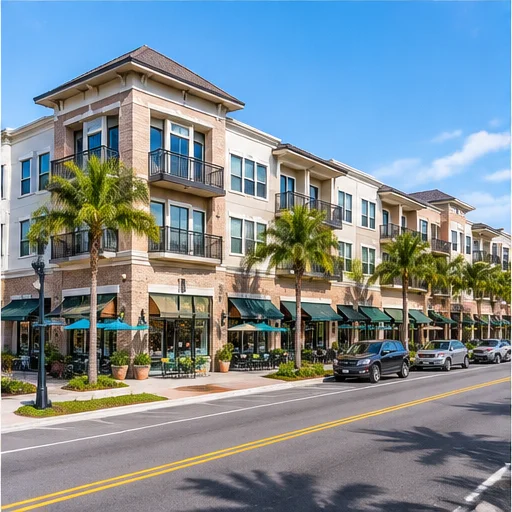
Mixed-Use Property Loans
Mixed-Use Property Loans in Tampa, Florida
Separate residential and commercial income, obligations and operating costs before financing a building that serves several uses.
Financing review for mixed-use building
Mixed-use property financing begins by understanding the components of the building. Apartments above storefronts, office space alongside retail and other combinations can bring distinct leases, expense responsibilities and code considerations under a single ownership structure. Commercial Real Estate Loans Florida helps Tampa owners make those differences visible so a lender can evaluate the property as it actually operates.
A combined income statement may conceal how much revenue comes from each use and which portion carries the vacancy or capital risk. Prepare rent rolls and lease records that clearly separate residential units from commercial suites. Explain shared utility arrangements and common-area expenses. Where costs cannot be directly assigned, show a reasonable allocation rather than assume one component subsidizes another without consequences.
Tampa’s urban commercial blocks provide examples of buildings where residents, businesses and visitors use the same parcel differently. Access, parking, waste handling and hours of operation can affect each occupant’s experience. Financing review should include legal use and physical configuration, not simply the appeal of a mixed-use label. Verify the intended operation before relying on a projection that depends on adding or changing a use.
Making multiple operating systems understandable
The lender may classify a mixed-use asset according to its size, income composition or predominant use. That classification can influence documentation and available structures. A residential component does not automatically make the whole building eligible for a residential loan, and a small commercial suite can still create meaningful lease and environmental questions. The operating plan should also address conflicts between uses. Commercial improvements, deliveries or noise may affect residents, while residential maintenance can disrupt storefront operations. Review lease obligations, insurance and building systems together. A coherent management plan helps explain how the property will sustain income without ignoring the needs of either component.
Separate income and lease terms
Identify each residential unit and commercial suite, along with rent, occupancy and lease dates. Commercial options, concessions and reimbursement provisions differ from residential arrangements. Reconcile the combined income with the component records. If a commercial occupant contributes a large share of revenue, show that concentration clearly instead of allowing the apartment count to imply broader income diversification.
Shared expenses and utilities
Describe metering, common-area responsibilities and how costs are allocated between uses. Include insurance, maintenance and any shared access obligations. A lender may adjust expenses if the historical allocation is incomplete or unusually low. Explain the budget in a way that remains understandable if either component changes occupants, rather than relying on an informal arrangement with the current tenants.
Permitted use and physical separation
Confirm that existing units and commercial activities are lawful and that intended changes receive appropriate review. Separate entrances, fire systems, accessibility and parking can influence operations. A listing’s mixed-use description is not a substitute for zoning or code diligence. If the financing plan depends on a new use, identify the approvals and costs still required.
Management and capital planning
Plan for both residential turnover and commercial reletting costs. Tenant buildouts, building systems and shared facilities may create different cash needs over time. Outline how management will handle resident services alongside commercial lease obligations. The proposed financing should support that combined responsibility, with reserve and maturity provisions considered against the timing of anticipated work.
From property summary to a documented decision
- 1
Define the objective and timing
Describe the mixed-use building, its address and current ownership. State whether the request concerns an acquisition, a refinance or business occupancy. Include the expected closing date or existing maturity and disclose known material issues. An accurate initial summary helps identify the next appropriate questions without presenting a brief inquiry as a final underwriting package.
- 2
Reconcile the operating evidence
Assemble separate residential and commercial rent rolls with expense allocations. Explain discrepancies, one-time items and projected changes. Provide sponsor information when requested through an agreed secure delivery method. The goal is to support the financing assumptions with records that can be reviewed, rather than leave critical facts dependent on verbal assurances or a seller’s optimistic presentation.
- 3
Compare conditions and complete diligence
Review available proposals for the mixed-use building against the requested proceeds, required cash, maturity, recourse and exit provisions. Coordinate lender-required reports and independent professional review. New findings may change the original request, so keep the operating plan and transaction timeline current as outstanding conditions are resolved.
- 4
Confirm the closing obligations
Distinguish an initial indication from final written approval. Review the closing statement, reserve requirements and ongoing reporting responsibilities with the appropriate professionals. Confirm how any existing debt is repaid and which conditions remain before funding. After closing, maintain the records and monitoring needed to satisfy the actual loan agreement.
Support for your commercial financing review
A focused property discussion
We frame the initial conversation around the mixed-use building and the evidence needed to understand its operations. That keeps asset-specific issues visible instead of forcing the request into a generic financing summary.
A broader term comparison
Proceeds matter, but so do guarantees, restricted reserves and the ability to exit the loan. We encourage a comparison that reflects the owner’s objectives and the property’s upcoming obligations.
Clear next requests
A lender can need more information as review progresses. Identifying the purpose of each request helps owners prepare accurate records while keeping confidential material out of the initial public inquiry.
Frequently Asked Questions
Is an apartment over a shop automatically eligible?
No. The legal use, income composition, building configuration and lender’s classification all matter. Provide records for both components and verify any existing or planned use with the appropriate professionals. A familiar building style does not establish approval or remove commercial diligence requirements.
Should commercial and residential revenue be combined?
The lender may ultimately analyze the whole property, but the underlying records should separate the components. That makes lease obligations, vacancy and expense allocation easier to evaluate. A single total can hide dependence on a major commercial occupant or costs that were assigned incompletely in historical statements.
Helpful Resources
Discuss your commercial property financing
Tell us about the mixed-use building, its occupancy and your financing objective. Share a short summary first; we can then discuss which records and next steps are appropriate.