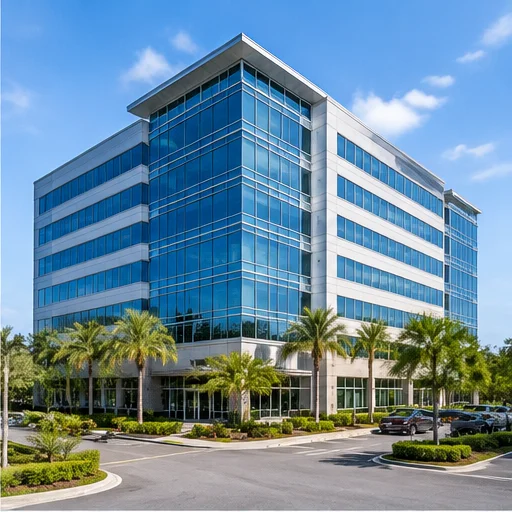
Office Building Loans
Office Building Loans in Tampa, Florida
Match office financing to tenant commitments, rollover costs and the building’s ability to serve its next occupants.
Financing review for office building
An office building’s financing story begins with the leases but extends to the space itself. Floorplates, parking, building systems and tenant improvements influence how the property serves current occupants and how it could accommodate replacements. Commercial Real Estate Loans Florida helps Tampa owners organize these facts for an office acquisition or refinance without treating square footage as a complete measure of repayment capacity.
A fully leased office property can still face material rollover risk. The dates when tenants can terminate, renew or reduce space may matter as much as the stated final expiration. Review renewal notice deadlines and concessions in the executed documents. Identify whether an occupant’s lease is backed by the operating business, a related entity or another guarantor, and avoid assuming the logo on the building establishes the legal obligation.
Tampa office submarkets differ in access, workplace clusters and building style. A Westshore office, downtown tower suite and suburban medical building may appeal to different users. Current lease evidence and comparable space should inform the operating plan. Do not rely on an area-wide narrative when the property’s layout, condition or lease structure creates specific challenges that affect financing.
Office underwriting beyond headline occupancy
The cost of maintaining or replacing an office tenant can be substantial. Tenant improvements, brokerage commissions and free-rent periods should be considered alongside recurring expenses. A lender may review those obligations when setting reserves or underwriting stabilized cash flow. Explain whether existing improvements suit a broad range of occupants or a highly specialized use. Operating documents should reconcile base rent, parking income and reimbursed costs with amounts actually received. Utilities, mechanical systems and common-area requirements can affect the owner’s budget. A loan maturity that coincides with several major expirations deserves particular attention when comparing structures and planning liquidity.
Rollover calendar and renewal evidence
Build a timeline showing lease expirations, renewal notice dates and any contraction or termination options. Include amendments that change those rights. A tenant verbally discussing renewal is not the same as a signed extension. Present the actual status of negotiations so the lender can distinguish current obligations from assumptions about future occupancy.
Buildout costs and adaptable space
Describe tenant improvements, suite layouts and any features that limit reuse. Medical plumbing, unusual partitions or dedicated systems may require different diligence from conventional office space. Include a budget for known improvements and explain which party is responsible. A well-maintained building can still need significant spending to accommodate a replacement occupant.
Building operations and service obligations
Review HVAC, elevators, fire systems and shared facilities with the appropriate professionals. Leases may specify service hours or expense caps that affect operating costs. Clarify how costs are allocated between occupants and the owner. Deferred system replacements should be part of the capital plan rather than hidden within an unusually low historical maintenance expense.
Business occupancy versus investment use
Identify whether the buyer’s own company occupies the building or whether unrelated tenants provide the income. Owner-occupied financing can require business financial analysis in addition to real estate review. Related-party leases should be disclosed. The physical property may look identical, yet the repayment sources and lender documentation can differ depending on the occupancy arrangement.
From property summary to a documented decision
- 1
Define the objective and timing
Describe the office building, its address and current ownership. State whether the request concerns an acquisition, a refinance or business occupancy. Include the expected closing date or existing maturity and disclose known material issues. An accurate initial summary helps identify the next appropriate questions without presenting a brief inquiry as a final underwriting package.
- 2
Reconcile the operating evidence
Assemble office leases, rollover schedule and building operating records. Explain discrepancies, one-time items and projected changes. Provide sponsor information when requested through an agreed secure delivery method. The goal is to support the financing assumptions with records that can be reviewed, rather than leave critical facts dependent on verbal assurances or a seller’s optimistic presentation.
- 3
Compare conditions and complete diligence
Review available proposals for the office building against the requested proceeds, required cash, maturity, recourse and exit provisions. Coordinate lender-required reports and independent professional review. New findings may change the original request, so keep the operating plan and transaction timeline current as outstanding conditions are resolved.
- 4
Confirm the closing obligations
Distinguish an initial indication from final written approval. Review the closing statement, reserve requirements and ongoing reporting responsibilities with the appropriate professionals. Confirm how any existing debt is repaid and which conditions remain before funding. After closing, maintain the records and monitoring needed to satisfy the actual loan agreement.
Support for your commercial financing review
A focused property discussion
We frame the initial conversation around the office building and the evidence needed to understand its operations. That keeps asset-specific issues visible instead of forcing the request into a generic financing summary.
A broader term comparison
Proceeds matter, but so do guarantees, restricted reserves and the ability to exit the loan. We encourage a comparison that reflects the owner’s objectives and the property’s upcoming obligations.
Clear next requests
A lender can need more information as review progresses. Identifying the purpose of each request helps owners prepare accurate records while keeping confidential material out of the initial public inquiry.
Frequently Asked Questions
Is medical office space considered differently?
It can be. The lender may evaluate specialized improvements, permitted use, tenant obligations and the adaptability of the space. Provide leases and a description of the actual use. A medical designation does not automatically create eligibility or guarantee that replacement tenants will be available.
Can a long amortization remove office rollover risk?
No. Amortization changes the repayment schedule, not the tenant’s contractual decisions. Lease expirations, potential vacancy and the cost of reletting still require a plan. The loan may also mature before amortization ends. Compare both the tenant calendar and the financing maturity when assessing the structure.
Helpful Resources
Discuss your commercial property financing
Tell us about the office building, its occupancy and your financing objective. Share a short summary first; we can then discuss which records and next steps are appropriate.